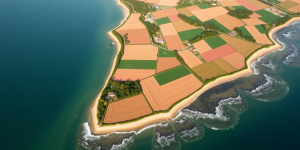
From the misty peaks of the Blue Ridge Mountains to the sprawling Chesapeake Bay, Virginia’s beauty is undeniable. But beneath the surface, a crisis is brewing, fueled by the relentless march of climate change.
It’s not just about hotter summers or unpredictable storms. Climate change is creating a breeding ground for invasive species, turning our beloved landscapes into battlegrounds where native plants and animals are fighting for their very survival.
As someone who’s spent years studying the intricate dance between our atmosphere and the natural world, I can tell you: what’s happening in Virginia should be a wake-up call. We’re not just dealing with pesky weeds; we’re witnessing a fundamental shift in the balance of nature.
Climate Change: The Silent Enabler
It’s easy to think of climate change as just warmer weather. But it’s so much more. It’s about the delicate rhythms of nature being thrown out of sync. Rainfall patterns are changing, extreme weather events are becoming more frequent, and the conditions that native species rely on are disappearing.
Imagine a pest that would normally be wiped out by a cold winter. Now, thanks to milder temperatures, it’s thriving. Or picture an invasive plant, given a longer growing season, quickly choking out native vegetation. It’s happening all across Virginia.

Invasive Species: The Uninvited Guests
What exactly are invasive species? They’re plants, animals, fungi – even bacteria – that have been introduced to an area outside their natural range. And in their new home, they often run rampant.
Lacking natural predators or diseases, they reproduce quickly and spread aggressively, outcompeting native species for resources, disrupting food webs, and ultimately, wreaking havoc on entire ecosystems.
Think of it this way: not every newcomer is a problem. Some non-native species can integrate without causing harm. But invasive species are the bullies of the natural world, causing real damage to the environment, our economy, and even our health.
Virginia’s Most Unwanted: A Rogues’ Gallery
Virginia is under siege from a long list of invasive species, each with its own unique brand of destruction. Here are just a few of the most notorious offenders:
- Fire Ants: These tiny terrors from South America are marching north, thanks to milder winters. Their stings are painful, their mounds can ruin farmland, and they’re just plain mean.
- Giant Hogweed: Don’t let its size fool you – this plant is dangerous. Originally from Eurasia, its sap can cause severe burns and blisters if it comes into contact with sunlight.
- Emerald Ash Borer: This metallic green beetle is an ash tree’s worst nightmare. Native to Asia, it’s already decimated ash populations across North America, leaving a trail of ecological and economic damage in its wake.
- Hemlock Woolly Adelgid: Another Asian invader, this tiny insect sucks the life out of hemlock trees, eventually killing them. The loss of hemlocks has devastating consequences for stream ecosystems and wildlife in the Appalachian region.
The Climate Connection: A Recipe for Disaster
The link between climate change and the spread of invasive species is crystal clear. Warmer temperatures are expanding the territory where these invaders can survive and thrive. That northward march of fire ants? It’s directly linked to milder winters.
But it’s not just about temperature. Climate change is also weakening our native ecosystems, making them more vulnerable to invasion. Droughts stress trees, making them easy targets for insects like the emerald ash borer. Increased storm intensity creates openings in forests, giving invasive plants a foothold.
Recent research from the Virginia Department of Conservation and Recreation confirms what we’re seeing on the ground: invasive species are spreading faster than ever, and it’s directly correlated with changes in temperature and rainfall. Climate change isn’t a future threat; it’s fueling ecological disruption right now.
The Price We Pay: Ecological and Economic Impacts
The consequences of letting invasive species run wild are staggering. They threaten Virginia’s incredible biodiversity, disrupt the delicate balance of food webs, and fundamentally alter habitats. Native plants and animals are struggling to compete, leading to population declines and even extinctions.
And then there’s the economic impact. Invasive species damage crops, reduce timber harvests, and degrade recreational areas, hurting tourism and outdoor recreation industries. The cost of managing and controlling these invaders is astronomical, requiring massive investments in research, eradication efforts, and public education.
A 2022 study by Virginia Tech estimated that invasive species cost Virginia over $1 billion each year. And that number is only projected to rise as climate change intensifies the problem. That’s a billion dollars spent on damage control, lost productivity, and trying to contain the spread of these unwanted guests.
Hope Remains: Strategies for Fighting Back
The situation is serious, but not hopeless. We can still fight back against invasive species in Virginia. It will take a coordinated effort, but here’s how we can make a difference:
- Early Detection is Key: Finding and eliminating invasive species early on is the most effective and cost-efficient approach. We need robust monitoring programs and rapid response teams ready to act quickly.
- Educate and Empower: The public needs to understand the threat posed by invasive species and how to prevent their spread. Promote responsible gardening, encourage native plants, and urge people to clean their gear after outdoor activities.
- Policy Matters: Strong policies and regulations are essential to prevent the introduction and spread of invasive species. This includes stricter border controls, regulations on the sale and transportation of invasive plants and animals, and incentives for landowners to manage invasive species on their property.
- Restore and Rebuild: Restoring degraded habitats can make native ecosystems more resilient to invasion. This means planting native trees and shrubs, controlling erosion, and improving water quality.
You Can Help: Simple Actions, Big Impact
Every Virginian can contribute to the fight against invasive species. Here are a few simple things you can do:
- Know Your Enemy: Learn to identify common invasive species in your area.
- Go Native: Remove invasive plants from your property and replace them with native species.
- Clean Up After Yourself: Clean your hiking boots, camping gear, and boats after visiting natural areas.
- Don’t Move Firewood: Firewood can harbor invasive insects, so don’t transport it long distances.
- Report Sightings: Report any sightings of invasive species to your local extension office or conservation organization.
- Support Action: Support policies and initiatives that promote invasive species management.
A Call to Arms: Protecting Our Natural Heritage
The battle against invasive species in Virginia is a battle for our natural heritage. It’s a battle that’s inextricably linked to the larger fight against climate change.
By understanding the connection between these two threats and taking proactive steps to address them, we can protect Virginia’s unique ecosystems for generations to come.
Let’s work together to create a Virginia where native biodiversity thrives, where our forests are resilient, and where our communities are safe from the devastating impacts of invasive species. The time to act is now.
Want to Learn More?
- Virginia Department of Conservation and Recreation: https://www.dcr.virginia.gov/
- Virginia Invasive Species Management Plan: [Insert Link Here – Example: A Placeholder]
- Virginia Cooperative Extension: https://ext.vt.edu/

The Virginia coastline: a vibrant, breathing ecosystem. But it's under siege. The enemy? A relentless rising sea. From the Chesapeake Read more