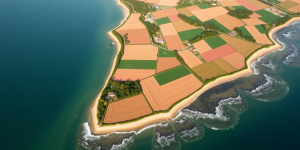
Naval Station Norfolk. It’s the world’s largest naval base. But it’s facing a HUGE problem: sea level rise. This isn’t some far-off worry. It’s happening now. It’s messing with operations, damaging buildings, and threatening national security. Located in Hampton Roads, Virginia, an area seriously vulnerable to rising waters, the base is right on the front lines of climate change.
Norfolk Naval Base: A Sitting Duck?
This base isn’t just a base. It’s a key strategic point. It’s home to the U.S. Atlantic Fleet, supporting naval operations all over the world. So, its vulnerability is a BIG deal. Here’s why:
- Chaos in Operations: More flooding and bigger storm surges could stop ships from moving, mess up training, and disrupt everyday work.
- Buildings Crumbling: Rising water eats away at piers, buildings, and electrical systems. That means expensive repairs and things falling apart faster.
- Weakening America: If the base can’t run properly, the U.S. Navy can’t protect our interests and respond to crises.
The ground itself is sinking. Hampton Roads is dealing with both rising sea levels and sinking land. It’s a double whammy. This makes the region one of the fastest-sinking spots on the Atlantic coast. Talk about bad luck.

A History of Building on Borrowed Time
Naval Station Norfolk was built way back in 1917. Back then, they built it pretty low to the ground. It wasn’t a big deal then. But now, after years of rising sea levels, that decision looks pretty short-sighted. They just weren’t thinking about the climate change we’re seeing today. It’s like they built the base for a totally different world.
The Forecast? More Floods, More Problems
Climate scientists aren’t optimistic about the future of Naval Station Norfolk. Sea levels are going to keep rising, possibly by several feet this century. The Virginia Institute of Marine Science (VIMS) keeps a close eye on this. Their forecasts are crucial for the Navy’s planning. Even a moderate rise in sea levels could flood big parts of the base regularly. A worst-case scenario? Some areas could become unusable. Think about that.
And it’s not just about flooding. Saltwater is seeping into the ground, messing up our drinking water, wrecking equipment, and weakening building foundations. Storm surges are getting bigger and more destructive, putting buildings and people at risk. This is serious stuff.
Fighting Back: Can We Save the Base?
The Navy knows how bad things are. They’re trying to adapt. Here’s what they’re doing:
- Raising Things Up: New buildings are being built higher to avoid flooding. They’re even raising existing buildings and moving important equipment to higher floors.
- Protecting the Coast: They’re building seawalls and using natural defenses, like oyster reefs, to protect the shoreline from storms and erosion.
- Better Drainage: New drainage systems are designed to quickly pump out floodwater after heavy rains.
- Planning for the Future: The Navy is using advanced climate models to understand the risks ahead and make better long-term plans.
Is It Enough? The Big Question.
These efforts are good, but will they work? Can we keep up with the rising sea? Are we missing something in our plan? Some people think the Navy needs to be bolder, investing in bigger, more transformative solutions. After all, what’s the point of half-measures?
One worry is that one big storm could overwhelm everything at once. Think about the chaos. And adaptation costs a fortune. Getting enough money is a constant battle.
Working Together: Strength in Numbers
Fighting sea level rise needs everyone working together – the military, the government, and the local community. The Navy is teaming up with the City of Norfolk, the state of Virginia, and federal agencies like NOAA to create a plan. They’re sharing information, coordinating their efforts, and pooling their resources.
Local people are key. We need residents, businesses, and community groups on board. Their support is essential for making these changes happen. And their local knowledge can make our plans even better.
What’s Next? A Plan for Survival
To keep Naval Station Norfolk running smoothly for the long haul, we need to:
- Spend More on Adaptation: Invest more in fixing buildings, protecting the coast, and improving climate modeling. Focus on the projects that give us the most protection for our money.
- Monitor Everything Closely: Add more sea level gauges, weather stations, and other monitoring tools to collect more data and make better predictions.
- Prepare for the Worst: Create detailed plans for dealing with extreme weather and other climate-related disasters.
- Find New Solutions: Support the development of new technologies for protecting the coast, managing floods, and making buildings more resilient.
- Get the Community Involved: Build stronger relationships with local communities to get their support for adaptation measures and make sure everyone benefits.
Naval Station Norfolk’s fight against sea level rise is a preview of what’s coming for coastal communities everywhere. By learning from their experiences and taking action now, we can build a safer future for our military bases, our communities, and our country.
Time’s running out. Let’s get to work.

The Virginia coastline: a vibrant, breathing ecosystem. But it's under siege. The enemy? A relentless rising sea. From the Chesapeake Read more