Okay, let’s talk about something that’s really hitting home these days: climate change. It’s not some far-off problem anymore. It’s here, especially in our cities. And Virginia is no exception. Our urban centers are feeling the pressure. But guess what? There’s a surprisingly simple, nature-powered solution staring us right in the face: urban greening.
Think about it: more trees, more parks, clever green infrastructure. It’s not just about making things look pretty (though that’s a bonus!). It’s about seriously tackling climate change and building stronger, healthier communities.
The Urban Heat Island Effect: Why Virginia’s Cities are Sweating
Ever noticed how much hotter it feels in a city compared to the countryside? That’s the urban heat island effect in action. All that concrete and asphalt soaks up the sun’s heat and just holds onto it. For Virginia cities, this means:
- Higher energy bills as we crank up the AC.
- More air pollution.
- And, sadly, increased health risks, especially for our most vulnerable neighbors.
A 2023 study even showed that heat-related illnesses were way higher in urban areas during the summer. That’s a wake-up call, right?

This image perfectly illustrates the heat radiating from the city as compared to the cooler rural areas. It’s a stark visual reminder of the problem we’re facing.
Urban Forests: Nature’s Secret Weapon
Here’s where trees come in as total rockstars. They’re like nature’s air conditioners. How? Well, they do two amazing things:
- Shade: They block the sun’s rays, keeping surfaces cooler.
- Evapotranspiration: They release water into the air, which has a cooling effect (think of how you feel after a swim).
A single mature tree can transpire hundreds of gallons of water a day – that’s like running several AC units! Plus, trees suck up carbon dioxide, the bad guy greenhouse gas that’s driving climate change.
Richmond and Norfolk: Leading the Charge
The good news? Some Virginia cities are already stepping up. Richmond’s RVAgreen 2050 plan is super ambitious. They’re aiming to boost tree cover and build green infrastructure all over the city. It’s not just about the environment, either. They see it as linked to social fairness and a strong economy.
What are they doing? Planting tons of trees, building green roofs, and restoring waterways. Seriously cool stuff.
And then there’s Norfolk. They’re on the front lines of sea-level rise, so they’re getting creative with green infrastructure to manage stormwater and prevent flooding. Resilience Park is a great example – it uses bioswales and rain gardens to capture and clean up rainwater. It’s functional and beautiful.
More Than Just Climate Change: The Ripple Effects of Green Spaces
Urban greening is about so much more than just fighting climate change. It’s like a gift that keeps on giving. Think about it:
- Wildlife havens: Green spaces give animals a place to live.
- Cleaner air: Trees filter out nasty pollutants.
- Happier people: Studies show green spaces reduce stress and boost mental health.
- Stronger communities: Parks and gardens give people places to connect.
And let’s not forget the economic boost – higher property values and new green jobs. It’s a win-win-win!
Breaking it Down: The Benefits
- Environmental: Cooler temperatures, cleaner air and water, carbon capture, more biodiversity.
- Economic: Higher property values, green jobs, lower energy costs.
- Social: Better health, stronger communities, more recreation.
Facing the Hurdles: What We Need to Know
Okay, it’s not always easy. Urban greening can face challenges:
- Limited space in crowded cities.
- Finding the money to do it right.
- Getting everyone on board.
Some people think trees are too much work or that green infrastructure is too expensive. But with smart planning and community involvement, we can overcome these challenges. The long-term benefits are way worth it.
This image shows the community spirit that’s essential for successful greening projects. When people come together, amazing things can happen.
Get Your Hands Dirty: How to Take Action
Want to make a difference? Here are some ideas:
- Plant trees! Organize events in your neighborhood.
- Create green spaces. Turn empty lots into gardens.
- Support green infrastructure. Ask your city to build green roofs.
- Spread the word. Talk to your friends and neighbors about why this matters.
- Team up! Work with local environmental groups.
Let’s Do This: A Greener Future for Virginia
The time to act is now. Let’s create cities that are healthier, stronger, and more sustainable for everyone. Let’s turn Virginia’s urban landscapes into green havens that fight climate change and make life better for all of us. Support local efforts, get involved, and tell your leaders that urban greening is a priority. Together, we can make a huge difference.
Your Questions Answered: Urban Greening FAQs
- What is it? Adding more green spaces to cities – trees, parks, gardens, green infrastructure.
- Why does it matter for climate change? It cools cities down, soaks up carbon dioxide, and manages rainwater.
- What’s green infrastructure? Green roofs, bioswales, rain gardens, and urban forests.
- How can I help? Plant trees, volunteer, and support local organizations.
- What are the health benefits? Cleaner air, less stress, and more exercise.
This image perfectly demonstrates sustainable building design. The green roof isn’t just aesthetically pleasing; it actively contributes to a healthier environment.
This map reveals an important truth: access to green spaces isn’t always equal. Addressing these disparities is crucial for creating truly equitable and healthy communities.

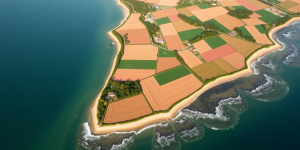
The Virginia coastline: a vibrant, breathing ecosystem. But it's under siege. The enemy? A relentless rising sea. From the Chesapeake Read more