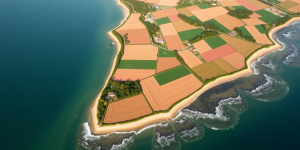
Virginia’s fisheries are more than just an industry; they’re a way of life. Generations have relied on the bounty of the Chesapeake Bay and the Atlantic coast, from the beloved blue crab to the ever-important striped bass. It’s about jobs, recreation, and a seafood heritage that’s part of the state’s very soul. But, let’s be honest, things are changing. Climate change is throwing a curveball, and we need to figure out how to keep our fisheries thriving in a warmer world. It’s a complex challenge, but one we must address head-on.
The Chesapeake Bay: A Delicate Balance
The Chesapeake Bay, the nation’s largest estuary, is a hub of life. Think of it as a massive, interconnected web, from the tiniest plankton to the biggest predators. This variety isn’t just cool; it’s crucial. The Bay’s fisheries pump billions into Virginia’s economy each year, supporting countless families and businesses. It’s a big deal.

Now, here’s the rub: the Bay is super sensitive to climate change. Its shallow waters heat up fast, and its coastlines are vulnerable to rising sea levels. It’s a double whammy that’s putting immense pressure on our fisheries.
What’s Happening to Our Fish?
We’re already seeing the effects of climate change on some of Virginia’s most important species. Take a look:
- Summer Flounder: These guys are moving north to cooler waters. Yep, warmer seas mean fewer flounder here in Virginia. Studies don’t lie – rising temps are pushing them away.
- Striped Bass: They’re tough, but not invincible. Changes in their food supply and increased risk of disease due to warmer waters are worrying. Especially the status of menhaden, their vital food source.
- Blue Crab: Talk about a triple threat! Habitat loss, more predators (that are moving here because it’s warmer), and changing salinity are all hitting blue crabs hard. It’s a tough time to be a crab in the Chesapeake.
The Silent Crisis: Habitat Loss
It’s not just about the fish themselves. Their homes are disappearing. Eelgrass, that underwater plant that’s like a nursery for so many species, is dying off because of warmer waters and pollution. Sea level rise is swallowing up coastal wetlands, shrinking vital habitat. And then there’s hypoxia – low oxygen “dead zones” where marine life can’t survive. Not good.
Eelgrass is worth a deeper look. These underwater meadows are essential. They shelter young fish and crabs, clean the water, and keep the sediment stable. Bringing back eelgrass is key to protecting Virginia’s fisheries.
A Glimmer of Hope? Emerging Opportunities
Okay, it’s not all doom and gloom. Climate change might be opening some doors. For instance, the Atlantic shrimp fishery is expanding in Virginia as warmer waters let these subtropical critters thrive further north. This could mean new income for our local fishermen. And who knows? Maybe new species that love warmer waters will move in, creating new fishing opportunities.
But here’s the catch: we need to manage these new fisheries sustainably. We can’t overfish them and ruin the whole thing. Long-term thinking is crucial.
The Human Cost: Socio-Economic Impacts
What happens to the fish affects everyone. The fishing industry – commercial and recreational fishermen, seafood processors, all the related businesses – takes a direct hit. Fewer fish means smaller catches, lower incomes, and potential job losses. Coastal communities that depend on fishing are especially at risk. It’s about more than just the environment; it’s about people’s livelihoods.
We need a plan that considers both the environment and the economy. Supporting fishermen with training, financial help, and promoting sustainable fishing practices are all vital steps.
What’s Being Done? Conservation in Action
Virginia’s not sitting idly by. The Virginia Wildlife Action Plan lays out strategies for protecting vulnerable species and habitats. Here’s a taste:
- Habitat Restoration: Rebuilding eelgrass beds, oyster reefs, and coastal wetlands. It’s all about providing homes and cleaning up the water.
- Sustainable Fishing Practices: Catch limits, gear restrictions, and protecting spawning grounds. We need to fish responsibly.
- Climate Change Adaptation Planning: Helping fisheries adapt to the changing environment. Diversifying fishing options and exploring aquaculture are potential solutions.
- Water Quality Improvement: Reducing pollution from farms and wastewater plants to clean up our waterways and reduce those dead zones.
This takes teamwork – government agencies, scientists, fishermen, and everyone else. By pulling together, we can make Virginia’s fisheries more resilient and ensure they last.
A Call to Arms (Well, Maybe a Call to Action…)
The future of Virginia’s fisheries is in our hands. We need to embrace sustainable practices, support policies that protect our environment, and invest in research. Even small changes can add up. Reduce your carbon footprint, buy local seafood, and speak up for responsible environmental stewardship.
It’s a big challenge, but we’re up to it. Together, we can make sure Virginia’s fisheries thrive for generations to come.
This isn’t just about fish; it’s about jobs, communities, and the very essence of Virginia’s coastal identity. The time to act is now.

The Virginia coastline: a vibrant, breathing ecosystem. But it's under siege. The enemy? A relentless rising sea. From the Chesapeake Read more