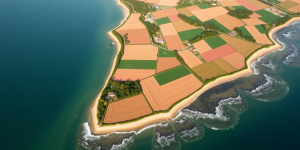
Virginia. It’s a state brimming with history, a place where natural beauty abounds. But a shadow is growing: climate change. Its effects are widespread, but our water resources are taking the biggest hit. From overflowing rivers to creeping saltwater, the threat is here, reshaping communities and demanding action.
Virginia: A State Defined by Water
Water is everything here. From the Appalachian Mountains to the Chesapeake Bay, it’s central to Virginia’s identity and economy. Our rivers? They provide drinking water, support agriculture, and power industries. And the Chesapeake Bay, a national treasure, is the heart of our seafood industry and offers endless ways to enjoy the outdoors. But this precious resource is at risk.
Even before climate change entered the picture, Virginia faced challenges. Population growth, aging infrastructure, and runoff from farms were already straining our water. Now, climate change is making these problems even worse – a perfect storm.
The Climate Change Triple Threat
Here’s how climate change is impacting Virginia’s water:
- Increased Flooding. Warmer temperatures mean more intense rain. “100-year floods” are becoming the new normal, overwhelming infrastructure, damaging property, and contaminating our water.
- Sea-Level Rise. Glaciers are melting, and water expands as it warms. This is causing sea levels to rise along Virginia’s coast, especially in Hampton Roads. Saltwater is creeping into freshwater sources, eroding shorelines, and flooding coastal communities.
- Water Supply Issues. While some areas drown, others are drying up. Changing rainfall patterns and increased evaporation are putting a strain on our freshwater supplies, impacting farms, industries, and our health.

The Reality on the Ground
This isn’t just about numbers; it’s about real people facing real problems.
Flooding in the West
In western Virginia, communities are battling more frequent and intense floods. Farmers are losing crops, homes are being damaged, and roads are becoming unusable. The costs? Enormous.
Coastal Encroachment
Along the coast, it’s a slow, steady creep. In Hampton Roads, one of the most vulnerable areas, rising sea levels are forcing tough choices about infrastructure and where people can live. Saltwater is seeping into wells and harming delicate ecosystems.
Drought’s Grip
Elsewhere, farmers are struggling with drought. Less water means smaller harvests, threatening their livelihoods. And cities are scrambling to ensure enough water for everyone.
What’s Being Done?
Virginia is fighting back, but we need to do more. Here’s what’s happening:
- Infrastructure Investment. Upgrading stormwater systems, building flood defenses, and improving water treatment are essential to protect communities and ensure reliable water.
- Conservation Promotion. Encouraging water conservation through education, incentives, and smart regulations can reduce demand and protect our resources.
- Restoring Natural Defenses. Wetlands, oyster reefs – these natural habitats buffer coastlines from erosion and flooding. Protecting and restoring them is key.
- Planning for the Future. We need comprehensive climate adaptation plans that address water resource challenges to build resilience.
Expert Voices: The Science Behind the Changes
The Interconnected Web
Dr. Emily Carter, a leading hydrologist at the Virginia Institute of Marine Science, emphasizes how interconnected everything is. “What happens upstream affects what happens downstream,” she says. “We need a holistic approach to water management, considering the entire watershed.”
Data is Key
She also stresses the importance of data. “We need to invest in better data collection and analysis to understand how climate change is impacting our water resources and to track the effectiveness of our adaptation efforts,” Dr. Carter adds.
Economic Incentives
Dr. James Wilson, an environmental economist at the University of Virginia, highlights the power of economics. “We need to create market-based mechanisms that encourage water conservation and reward sustainable practices,” he argues. “This could include water pricing reforms, tax incentives for water-efficient technologies, and payments for ecosystem services.”
You Can Make a Difference
This is a team effort. Here’s how you can help:
- Residents: Conserve water at home. Support local farmers who use sustainable practices. Advocate for policies that protect our water.
- Businesses: Invest in water-efficient technologies. Reduce water use. Support community initiatives to protect water quality.
- Policymakers: Develop climate adaptation plans. Invest in infrastructure. Promote policies that encourage conservation and sustainable management.
A Call to Action
The future of Virginia’s water hangs in the balance. Climate change is a huge challenge, but not one we can’t overcome. By taking proactive steps, we can protect this vital resource for generations to come. The time to act is now. Let’s work together – residents, businesses, policymakers – for a sustainable water future.
Don’t let the storm overwhelm us. Instead, let’s use our collective ingenuity to protect the waters that define us.
Dive Deeper: Resources
- Virginia Department of Environmental Quality: Virginia Department of Environmental Quality
- Virginia Institute of Marine Science: Virginia Institute of Marine Science
- Chesapeake Bay Foundation: Chesapeake Bay Foundation

The Virginia coastline: a vibrant, breathing ecosystem. But it's under siege. The enemy? A relentless rising sea. From the Chesapeake Read more