I grew up in Denver, Colorado, surrounded by the Rockies. That sparked something in me – a real love for the natural world. Years later, after a Ph.D. in Atmospheric Science and work with groups like the Environmental Defense Fund and the National Center for Atmospheric Research, that love turned into a deep understanding of just how much climate change is messing with our planet. Now, living here in Virginia, I’m seeing firsthand the threat to its incredible forests. From the ancient Appalachians to the coastal plains, these woods are in trouble, and we need to act fast.
Virginia’s Forests: More Than Just Pretty Trees
Let’s be clear: Virginia’s forests aren’t just nice to look at. They’re vital. They’re ecosystems that support a huge variety of life, clean our air and water, and even boost the economy. Think of the towering oaks and hickories, the delicate dogwoods – all these trees are now struggling with climate change.
Climate Change: A Forest Under Siege
The fingerprints of climate change are all over these forests. It’s not just a feeling – it’s happening. So, how are Virginia’s forests suffering? Let’s break it down.
Rising Temperatures: The Heat is On
Warmer temperatures are stressing out many tree species. Imagine trying to run a marathon in a heatwave – that’s what it’s like for these trees. They become weaker and more vulnerable to diseases and insects. Some species, the ones that like cooler climates, might not even survive. This could completely change the makeup of our forests.
Unpredictable Rainfall: Too Much, Too Little
The rain patterns are all messed up. We’re seeing more intense droughts and floods, which throws off tree growth. Droughts weaken trees, making them easy targets for pests and diseases. Floods drown the root systems, killing them off.
Wildfire Risk: A Ticking Time Bomb
Hotter, drier conditions create a real danger of wildfires. Think of it like a pile of dry leaves – it just takes a spark to set it off. These fires can wipe out huge areas of forest, releasing tons of carbon dioxide into the atmosphere, making climate change even worse.

Sea-Level Rise: The Coast is Disappearing
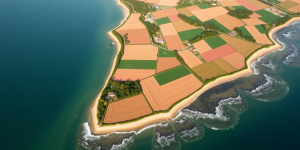
Coastal forests are in a particularly bad spot. Sea-level rise is causing saltwater to seep into the soil, poisoning the trees. The iconic loblolly pine forests of the coastal plain are slowly turning into salt marshes.
Invasive Species: Unwelcome Guests
Climate change is creating opportunities for invasive species to move in and take over. Warmer temperatures and altered rainfall can help non-native insects, diseases, and plants thrive, pushing out the native species.
The Domino Effect: Biodiversity Loss and Disrupted Ecosystems
These changes have huge consequences for biodiversity. When tree species disappear or move, the animals, insects, and fungi that depend on them are also affected. We’re talking about habitat loss, which threatens native species and could lead to extinctions. The delicate balance of the forest ecosystem is being thrown off, with effects that ripple through the entire food web.
Hope for the Future: Conservation in Action
It’s not all doom and gloom. We can still do something. With dedicated conservation efforts and smart strategies, we can lessen the impact of climate change and protect Virginia’s forests for future generations.
Smart Forest Management: Working with Nature
Sustainable forestry practices, like selective harvesting and replanting trees, can make forests more resilient and help them absorb carbon.
Controlled Burns: Fighting Fire with Fire
Controlled burns, also known as prescribed burns, can reduce the risk of big, destructive wildfires. They clear out the dry brush and promote the growth of fire-resistant plants.
Planting Trees: A Simple Solution
Planting trees in areas that have been deforested or creating new forests can help pull carbon out of the atmosphere and restore damaged ecosystems. The key is to choose tree species that can handle the changing climate.
Controlling Invasive Species: Protecting What’s Ours
We need to be aggressive about controlling and getting rid of invasive species. This will protect native plants and animals and keep the forest ecosystem healthy.
Protecting Coastal Forests: Holding Back the Tide
We need to find ways to protect coastal forests from sea-level rise. Restoring wetlands and creating buffer zones can help preserve habitat and prevent saltwater from seeping in.
Keeping Forests Healthy: Preventing Disease
Monitoring forest health and taking steps to prevent and control diseases and insect infestations can make trees stronger and reduce the number that die.
The American Chestnut: A Cautionary Tale
The story of the American chestnut is a powerful reminder of how vulnerable our forests can be. This tree was once a dominant species in Virginia, but it was wiped out by a fungal disease called chestnut blight in the early 20th century. The American Chestnut Foundation is working hard to develop blight-resistant trees, but this example shows why we need to be proactive about protecting our forests from pests and diseases, especially with climate change making things worse.
It’s Up to Us: Protecting Virginia’s Forest Legacy
The future of Virginia’s forests depends on all of us. Whether you’re a resident, a policymaker, or just someone who loves the outdoors, you have a role to play in protecting these vital ecosystems. So, how can you get involved?
- Get Involved Locally: Volunteer with local conservation organizations. Plant trees, maintain trails, and participate in other stewardship activities.
- Speak Up: Contact your elected officials and tell them to support policies that reduce greenhouse gas emissions, promote sustainable forestry, and protect natural resources.
- Make Sustainable Choices: Reduce your carbon footprint by using energy-efficient appliances, driving less, and eating less meat.
- Spread the Word: Talk to your friends, family, and community about the importance of forest conservation. Raise awareness about the threats posed by climate change and the need to act.
A Shared Future
The challenges facing Virginia’s forests are real, but we can overcome them. By embracing sustainable practices, supporting conservation efforts, and advocating for climate-friendly policies, we can protect these vital ecosystems for future generations. The health of our forests is connected to the well-being of our communities and the planet. Let’s work together to make sure Virginia’s forests thrive for years to come.
As a scientist, I rely on facts and data. But I also have hope. I believe that if we work together, we can create a more sustainable future for Virginia’s forests and for all of us. Let’s not stand by and watch climate change destroy our woodlands. Let’s take action and shape a future where forests thrive and our planet flourishes.

The Virginia coastline: a vibrant, breathing ecosystem. But it's under siege. The enemy? A relentless rising sea. From the Chesapeake Read more