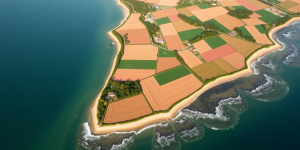
The coast is changing here in Virginia. Relentless waves are chewing away at our shores, threatening homes, businesses, and the delicate balance of our ecosystems. I’ve spent years turning dense science into something people can actually use, and I can tell you this isn’t just about losing pretty beaches. It’s a real problem that needs our attention, now.
Virginia’s Vanishing Coast: What’s Happening?
Coastal erosion isn’t new, but the speed at which it’s happening is alarming. What’s driving this change?
The Rising Tide: Sea Level Rise
Virginia is particularly vulnerable to sea level rise. As the planet warms, the water expands, and glaciers melt, pushing sea levels higher. The Virginia Institute of Marine Science (VIMS) data paints a clear picture: the water’s coming up, and it’s impacting our communities.
Wrath of the Storm: Surges and Erosion
Hurricanes and nor’easters pack a punch. The storm surges they create overwhelm our natural defenses – dunes and wetlands – tearing away beaches, damaging infrastructure, and even contaminating our freshwater supplies.
Our Footprint: The Human Factor
We’re not innocent bystanders. Coastal development removes natural buffers, leaving us exposed. Dredging and construction can disrupt the natural flow of sediment, causing erosion in some areas while building up land elsewhere. Even seawalls, meant to protect, can sometimes worsen erosion on neighboring shores.

It’s a complex web of factors, all contributing to the shrinking of our coastline.
The Ripple Effect: Who Pays the Price for Coastal Erosion?
Erosion doesn’t just affect the land itself. The consequences are far-reaching:
Nature’s Loss: Environmental Impact
Habitats are vanishing. Coastal wetlands, vital nurseries for marine life, are disappearing. Beaches, nesting grounds for birds and turtles, are shrinking. Saltwater is creeping inland, threatening freshwater ecosystems and farmland. It’s a chain reaction of loss.
The Bottom Line: Economic Impact
Tourism takes a hit as beaches disappear. Property values plummet. Roads, bridges, and utilities are at risk. Coastal erosion threatens Virginia’s economy. The impact on the local economy is significant and growing.
Beyond the Dollars: Social Impact
It’s easy to overlook the human cost. People are displaced. Cultural heritage sites are lost. Stress and anxiety rise. And often, it’s the most vulnerable among us – low-income communities and the elderly – who suffer the most. This is a crisis with a human face.
A Ray of Hope: Living Shorelines as a Solution
There’s a better way to protect our shores: “living shorelines.” This approach uses natural materials – plants, sand, oyster reefs – to stabilize the coast and create habitat. Think of it as working with nature, not against it.
The Benefits? They’re Substantial:
- Habitat Creation: Living shorelines become havens for fish, shellfish, birds, and more.
- Erosion Control: They naturally weaken wave energy and trap sediment, reducing erosion.
- Water Quality: Plants and shellfish act as natural filters, cleaning the water.
- Resilience: They’re better equipped to handle sea level rise and storm surges than rigid structures.
Virginia is already leading the way. The Lynnhaven River NOW program is a prime example, restoring oyster reefs and planting native vegetation to improve water quality and stabilize the shoreline. These projects demonstrate that living shorelines aren’t just a nice idea – they work.
Multiple Solutions: Beyond the Living Shoreline
Living shorelines are a great start, but they aren’t the only answer. A comprehensive approach is needed:
Beach Nourishment: A Temporary Fix
Pumping sand onto eroded beaches can provide a short-term buffer against waves. However, it’s an ongoing process that can be expensive and disruptive. Is it a sustainable solution in the long run? That’s the question.
Dune Restoration: Natural Barriers
Dunes act as a vital defense against storm surges. By planting vegetation and installing sand fencing, we can restore and maintain these natural barriers.
Riparian Buffers: Protecting Waterways
Planting trees and shrubs along rivers and streams helps reduce erosion and improve water quality. These buffers also provide habitat for wildlife. It’s a win-win situation.
The best approach is often a mix of strategies, carefully tailored to the specific needs of each location. We need to consider both natural processes and human activities to achieve long-term sustainability.
Time to Act: Policy, Community, and You
Tackling coastal erosion requires everyone to get involved – policymakers, scientists, communities, and individuals. We need strong policies to regulate coastal development, promote sustainable practices, and invest in research. And we need community engagement to ensure solutions meet local needs.
Virginia is taking steps in the right direction. The Virginia Coastal Resilience Master Plan provides a framework for coordinating efforts across state agencies. Organizations like the Chesapeake Bay Foundation and Wetlands Watch are raising awareness and advocating for solutions. But we need to do more.
Here’s How You Can Help:
- Stay Informed: Follow the latest research and news on coastal erosion. Knowledge is power.
- Volunteer: Help restore beaches, plant trees, or clean up waterways. Every little bit helps.
- Support Policies: Advocate for policies that protect our coasts. Let your voice be heard.
- Make Smart Choices: Consider the environmental impact of your actions. Where you build, how you manage your property – it all matters.
Coastal erosion is a tough challenge, but it’s not insurmountable. By working together, we can protect Virginia’s coasts for generations to come. The time to act is now.

The Virginia coastline: a vibrant, breathing ecosystem. But it's under siege. The enemy? A relentless rising sea. From the Chesapeake Read more