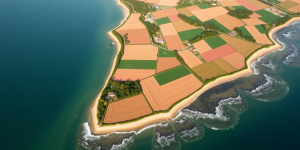
Virginia. Think history, think beauty, think… climate change. Yeah, it’s hitting the Old Dominion hard. We’re not talking about some distant future; rising sea levels are lapping at our shores now. Storms are packing a bigger punch. And those summer heatwaves? Brutal. But here’s the good news: Virginia is fighting back, and the weapon of choice is surprisingly simple: green infrastructure.
What is Green Infrastructure?
Forget just planting a few trees. Green infrastructure is the whole shebang. It’s about using nature’s own superpowers to build a more resilient Virginia. We’re talking:
- Urban forests – lungs for our cities.
- Green roofs – turning rooftops into gardens.
- Permeable pavements – letting the rain soak in.
- Restored wetlands – nature’s sponges.
- Living shorelines – protecting our coasts the natural way.
Think of it as “grey” infrastructure’s cooler, more eco-friendly cousin. Concrete and steel have their place, but green infrastructure works with nature. It manages stormwater, cools down cities, protects coastlines, and generally makes life better. It’s about creating a network of green spaces that all work together.

Virginia’s Climate Problems? Let’s List ‘Em
Okay, before we get too carried away with the “green is great” talk, let’s be real about what Virginia’s up against:
- Sea Level Rise: Coastal towns are getting soaked. Flooding is getting worse. Saltwater is creeping into our drinking water. Not good.
- Crazy Rain & Flooding: Our old stormwater systems can’t handle these downpours. Cities and farms are underwater.
- Melting Heat: Cities are becoming “urban heat islands,” baking in the sun. This is a serious health risk, especially for the elderly and those without air conditioning.
- Habitat SOS: Climate change is wrecking habitats, threatening all sorts of plants and animals.
Green Infrastructure: Nature to the Rescue!
So, can green infrastructure fix everything? Nah. But it’s a huge piece of the puzzle. Think of it as a Swiss Army knife for climate resilience.
Stormwater Management: Ditching the Pipes
The old way? Pipes, pipes, and more pipes! Shunting rainwater away as fast as possible. Problem is, that just moves the flooding problem downstream. Green infrastructure does things differently. It soaks up and filters the water where it falls.
- Permeable Pavements: Rain goes right through them! Less runoff, more groundwater.
- Rain Gardens: Pretty little gardens that capture and clean up stormwater.
- Trees, Glorious Trees: They intercept rainfall, provide shade, and cool everything down. What’s not to love?
Coastal Defense: Living Shorelines
Virginia’s coastline is on the front lines. Sea level rise and storm surges are a constant threat. Living shorelines offer a natural defense.
- Living Shorelines: Forget concrete walls. We’re talking oyster reefs, native plants, and sandy beaches. They protect the coast, provide habitat, and look beautiful doing it.
- Wetland Restoration: Wetlands are natural sponges, soaking up floodwaters and providing crucial habitat.
Beating the Heat: Cooling Down Our Cities
Green infrastructure can turn those urban heat islands into cool, green oases.
- Green Roofs: Rooftops turned into gardens! They absorb sunlight, insulate buildings, and lower temperatures.
- Parks & Urban Forests: Trees provide shade, and plants cool the air through evapotranspiration. It’s science and it feels great.
Hampton Leads the Way: A Case Study
The city of Hampton is showing everyone how it’s done. They know they’re vulnerable to rising sea levels, so they came up with the Natural Infrastructure Resiliency Plan. It’s all about using nature-based solutions to protect the coast, manage stormwater, and build a more resilient community. Think living shorelines, wetland creation, and permeable pavements.
More Than Just Climate: The Extra Perks
Green infrastructure does more than just fight climate change. It also:
- Cleans Air & Water: Plants are natural filters.
- Protects Wildlife: Green spaces are havens for all sorts of creatures.
- Boosts Mental Health: Green spaces make us happier and healthier.
- Helps the Economy: Green infrastructure can increase property values, lower energy bills, and create jobs.
The Challenges? We’ll Face ‘Em
Okay, it’s not all sunshine and roses. There are challenges to implementing green infrastructure. But hey, we can figure this out.
- Money, Money, Money: Finding funding can be tough.
- Solution: Grants, public-private partnerships, stormwater fees – let’s get creative!
- Space is Tight: Finding room in crowded cities can be tricky.
- Solution: Integrate green infrastructure into existing buildings and streets. Think green roofs and permeable pavements.
- Maintenance Matters: Green infrastructure needs upkeep.
- Solution: Develop clear maintenance plans and train people to do the job right.
- Getting the Word Out: People need to understand the benefits.
- Solution: Education programs and community outreach. Let’s show people why green infrastructure is so great!
Time to Act: Let’s Get This Done
Building a resilient Virginia takes all of us. Policymakers, planners, community leaders, and everyday folks – we all have a role to play.
- Policymakers: Create policies that support green infrastructure. Offer incentives for green roofs and require permeable pavements.
- Urban Planners: Make green infrastructure a key part of every project.
- Community Leaders: Advocate for green infrastructure in your neighborhoods. Get people involved!
- You & Me: Plant trees, create rain gardens, support green initiatives.
By embracing green infrastructure, Virginia can build a future that’s more resilient, sustainable, and vibrant. The time to act is now. Let’s work together to harness the power of nature and create a Virginia that’s ready for whatever climate change throws our way.

The Virginia coastline: a vibrant, breathing ecosystem. But it's under siege. The enemy? A relentless rising sea. From the Chesapeake Read more