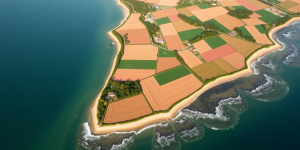
The tide is turning – and not in a good way. For Virginia’s coastal communities, rising sea levels aren’t some far-off worry; they’re here, now. From the Navy’s nerve center in Norfolk to the sun-kissed sands of Virginia Beach, the threat is real. Homes, businesses, lives – all are at risk. The question is: What can be done?
Facing the Rising Tide: A Coastal Crisis
It’s more than just water lapping a bit higher on the beach. Sea level rise is a beast fueled by climate change. Warmer water expands. Glaciers and ice sheets melt. The Chesapeake Bay region is particularly vulnerable. Why? Its geology. The land is sinking. So, while the ocean rises, Virginia’s coast goes down – a double whammy.
What’s at stake? Think increased flooding. Eroding shorelines. Saltwater poisoning freshwater sources. Crumbling infrastructure. VIMS (Virginia Institute of Marine Science) warns some areas could see feet of sea level rise by century’s end. Ouch.

Virginia Beach and Norfolk: Cities Under Siege
Virginia Beach: Sun, sand, and… sea level rise. The city’s iconic beaches and boardwalk are under constant assault from erosion and storm surges. Tourism, the lifeblood of the city, is threatened. And those storms? They’re getting nastier, supercharged by warmer ocean temperatures.
Norfolk: This is ground zero. Home to the world’s largest naval base, Norfolk’s low-lying geography makes it a sitting duck. Regular flooding disrupts everything, from daily commutes to military operations. The city’s become a test case, a living lab for innovative solutions.
Fighting Back: Strategies for a Resilient Coast
There’s no single silver bullet. Adapting to sea level rise demands a mix of smart infrastructure, natural defenses, and community involvement. Here’s the playbook:
- Fortifying Infrastructure: Think bigger drainage systems, floodwalls, and pumping stations to handle the deluge. Norfolk’s Ohio Creek Watershed Project is a prime example – a massive effort to protect a historically flood-prone area.
- Embracing Living Shorelines: Ditch the concrete walls. Opt for oyster reefs and planted marshes. These “living shorelines” fight erosion and create thriving habitats. A win-win.
- Restoring Wetlands: Wetlands are nature’s sponges, soaking up floodwaters and buffering wave energy. Groups like the Chesapeake Bay Foundation are leading the charge on restoration.
- Smarter Building Codes: Build higher. Plan smarter. Factor sea level rise into every decision. That means restricting development in risky areas and demanding resilient construction.
- Community-Powered Resilience: Get everyone involved. Educate. Empower. Make sure adaptation strategies fit local needs.
Bright Spots: Success Stories From the Front Lines
It’s not all doom and gloom. There are glimmers of hope, shining examples of what’s possible:
- Norfolk’s Hague Living Shoreline: A failing bulkhead transformed into a vibrant habitat. Erosion control, improved water quality, and a boost for recreation.
- Lynnhaven River’s Revival (Virginia Beach): Thousands of acres of oyster reefs, seagrass beds, and wetlands restored. Water quality is up, and the watershed is far more resilient.
These success stories prove that smart planning, innovative engineering, and a commitment to natural solutions can make a real difference.
Strength in Numbers: The Power of Collaboration
This isn’t a solo mission. Tackling sea level rise demands teamwork – local governments, state agencies, federal partners, non-profits, and, crucially, the people who call these coastal communities home. The Hampton Roads Planning District Commission (HRPDC) is playing quarterback, coordinating regional efforts and fostering collaboration.
By sharing knowledge, pooling resources, and working together, Virginia’s coastal communities can build a future that’s more resilient for generations to come.
The Road Ahead: Challenges and Opportunities
Make no mistake: the challenges are real. Money is tight. Politics get messy. And the scale of the problem can be overwhelming. Plus, climate change is a moving target, demanding constant research and adaptation.
But within those challenges lie opportunities. Investing in coastal resilience can spark innovation, drive economic growth, and empower communities. New jobs in engineering, construction, and environmental restoration await. And, of course, a better quality of life for residents, protection of natural resources, and a future for coastal communities.
Time to Act: Investing in Our Coastal Future
The clock is ticking. Sea level rise isn’t a problem we can afford to ignore. It demands immediate action, bold leadership, and a commitment to a more resilient future.
We need policies that support sustainable development, slash greenhouse gas emissions, and prioritize coastal adaptation. We must empower local communities, giving them the resources and knowledge to protect their homes, businesses, and way of life. And we must build a culture of collaboration, working together to ensure Virginia’s coastal communities not only survive, but thrive, in the face of a changing climate.

The Virginia coastline: a vibrant, breathing ecosystem. But it's under siege. The enemy? A relentless rising sea. From the Chesapeake Read more