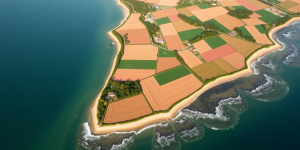
Virginia, with its beautiful coastline, is in a tough spot. Rising sea levels and more frequent coastal flooding are threatening communities, infrastructure, and the natural beauty we all cherish. The Commonwealth’s answer? The Coastal Resilience Master Plan. It’s not just another report to gather dust; it’s a living, breathing strategy to protect what matters most.
Having dedicated years to studying our atmosphere and working on climate resilience, the urgency of this situation is clear to me. This Master Plan is a crucial move, but its success hinges on everyone understanding its goals and how we’re putting it into action.
The Rising Tide: Understanding the Threat to Virginia’s Coast
Let’s cut to the chase: the numbers are alarming. Areas like Hampton Roads, the Middle Peninsula, the Northern Neck, and the Eastern Shore are already feeling the pinch of recurrent flooding. And the forecast? It’s only going to get worse.
- Homes at Risk: We’re talking about hundreds of thousands of Virginians in vulnerable zones.
- Billions in Property: Vast amounts of property are increasingly exposed to flood risk.
- Critical Lifelines: Roads, bridges, ports, even military bases are threatened by rising waters.
These aren’t just abstract figures. They represent real lives, homes, and the livelihoods of our friends and neighbors. The Master Plan faces this reality head-on, aiming to soften the blow through proactive measures.

Teamwork Makes the Dream Work: Collaboration is Key
One of Virginia’s smartest moves? Putting collaboration front and center. The Technical Advisory Committee (TAC), a brain trust of scientists, engineers, and policy wonks, was instrumental in shaping the plan. Their expertise ensures our strategies are based on solid science and the most up-to-date climate models.
But it’s not just about the experts in ivory towers. The Master Plan also involved getting real input from local communities, businesses, environmental groups – everyone with a stake in the game. This inclusive approach means the plan reflects the diverse needs of our coastal regions. To truly make it work, and protect Virginians, we need everyone on board.
Guiding Lights: Principles for a Resilient Future
The Master Plan isn’t just a collection of ideas; it’s guided by core principles that will light the way forward:
- Embrace Nature: Prioritize nature-based solutions. Think restoring wetlands, creating living shorelines, and protecting our coastal forests. These are often the most affordable and sustainable answers in the long run.
- Community First: Empower local communities to get involved in planning and action. That means giving them access to information, resources, and funding.
- Fairness for All: Climate change hits vulnerable populations the hardest. We must make sure resilience efforts benefit everyone, no exceptions.
- Adapt and Evolve: Climate change is a moving target. The plan must be flexible and ready to adapt as conditions change.
These principles reflect a deep commitment to sustainability and social justice.
Knowledge is Power: Accessing Information and Resources
If we want this plan to succeed, it has to be transparent and accessible. The Coastal Resilience Database and Web Explorer act as a central hub, offering easy access to details about resilience projects, funding opportunities, and other essential resources. This allows everyone to track progress, spot gaps, and work together on solutions. The aim? To empower local communities and businesses to take charge and build their own resilience.
Money Talks: The Community Flood Preparedness Fund
Let’s be real: money matters. The Community Flood Preparedness Fund (CFPF) provides financial support to local governments for planning and implementation. This fund fuels a wide range of activities, such as:
- Crafting local resilience plans.
- Undertaking flood mitigation projects.
- Assessing vulnerabilities.
- Educating the public about flood risks.
The CFPF is a vital tool in helping local communities take control of their resilience efforts.
Time to Act: A Call to Every Virginian
Virginia’s Coastal Resilience Master Plan is a bold step toward tackling the challenges of rising sea levels and coastal flooding. But this isn’t a done deal; it’s an evolving strategy that will be updated and improved over time. Its success hinges on the active participation of each and every one of us.
Whether you’re a resident, a local official, an environmental advocate, or a business owner, you have a role to play. Stay informed, get involved in local resilience initiatives, and champion policies that support a more resilient future. The fate of Virginia’s coast depends on it.
I urge you to explore the Coastal Resilience Database and Web Explorer, dive into the details of the Community Flood Preparedness Fund, and find ways to contribute to this critical effort. Together, we can forge a more resilient and sustainable future for Virginia’s coastal communities.

The Virginia coastline: a vibrant, breathing ecosystem. But it's under siege. The enemy? A relentless rising sea. From the Chesapeake Read more